The Meaning Construction of German Proper Names from a Cognitive-Pragmatic Perspective
About this book
This monograph explores the meaning construction of German proper names from a cognitive-pragmatic perspective. It examines how proper names function beyond mere reference, acquire context-dependent meanings, and contribute to the construction of social representations in discourse.
Building on classical theories of proper names, particularly descriptivist accounts and the theory of direct reference, the study develops a cognitive-pragmatic approach grounded in Langacker’s theory of construal and grounding theory. It investigates how cognitive domains, profiling, perspective, and linguistic grounding devices shape the dynamic interpretation of proper names in authentic discourse.
The empirical analysis draws on a specially compiled corpus of 60 German-language news articles published in 2026, comprising 30 articles from German media and 30 from the German-language editions of Chinese media. Combining quantitative and qualitative methods, the study examines referring expressions, definite descriptions, non-prototypical uses of proper names, and their underlying cognitive and pragmatic mechanisms.
Particular attention is devoted to China-related proper names and their role in the discursive construction of China's image. The monograph introduces the concept of dynamic sense, arguing that the meaning of proper names cannot be adequately explained solely through fixed semantic properties or direct reference. Instead, meaning emerges dynamically through the interaction of construal, grounding, and discourse context.
By connecting philosophical theories of proper names with cognitive linguistics and empirical discourse analysis, this book offers a new perspective on the relationship between reference and meaning construction. It will be of interest to scholars and students of German linguistics, semantics, pragmatics, cognitive linguistics, onomastics, discourse studies, and intercultural media communication.
Publication information: October, 2026
More from our catalogue
All publications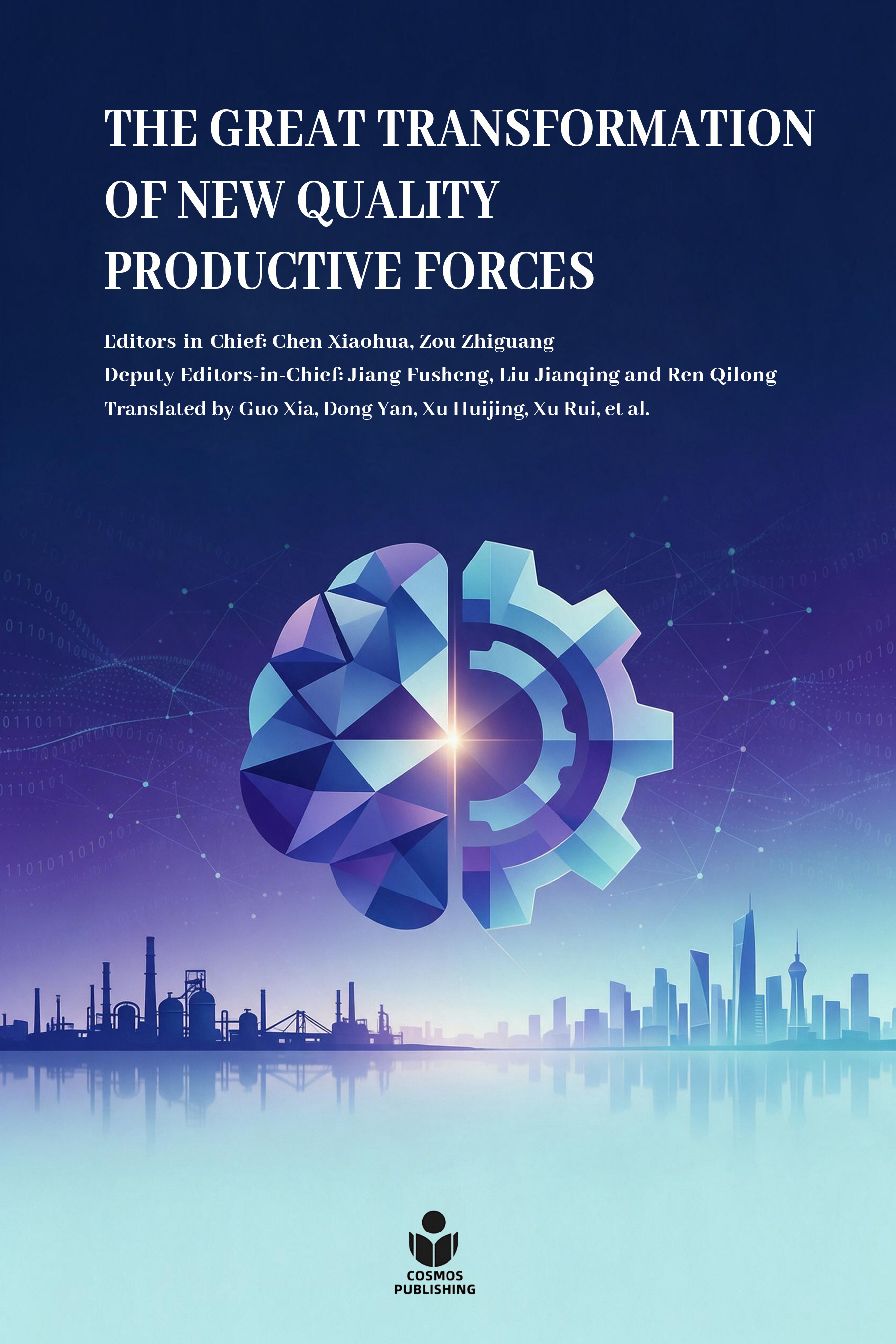
The Great Transformation of New Quality Productive Forces
The Great Transformation of New Quality Productive Forces is a professionally compiled work that systematically interprets the concept, theory and practice of new quality productive forces against the global technological revolution and China’s high-quality development backdrop. Originating from the strategic deployment put forward in 2023…
Book overview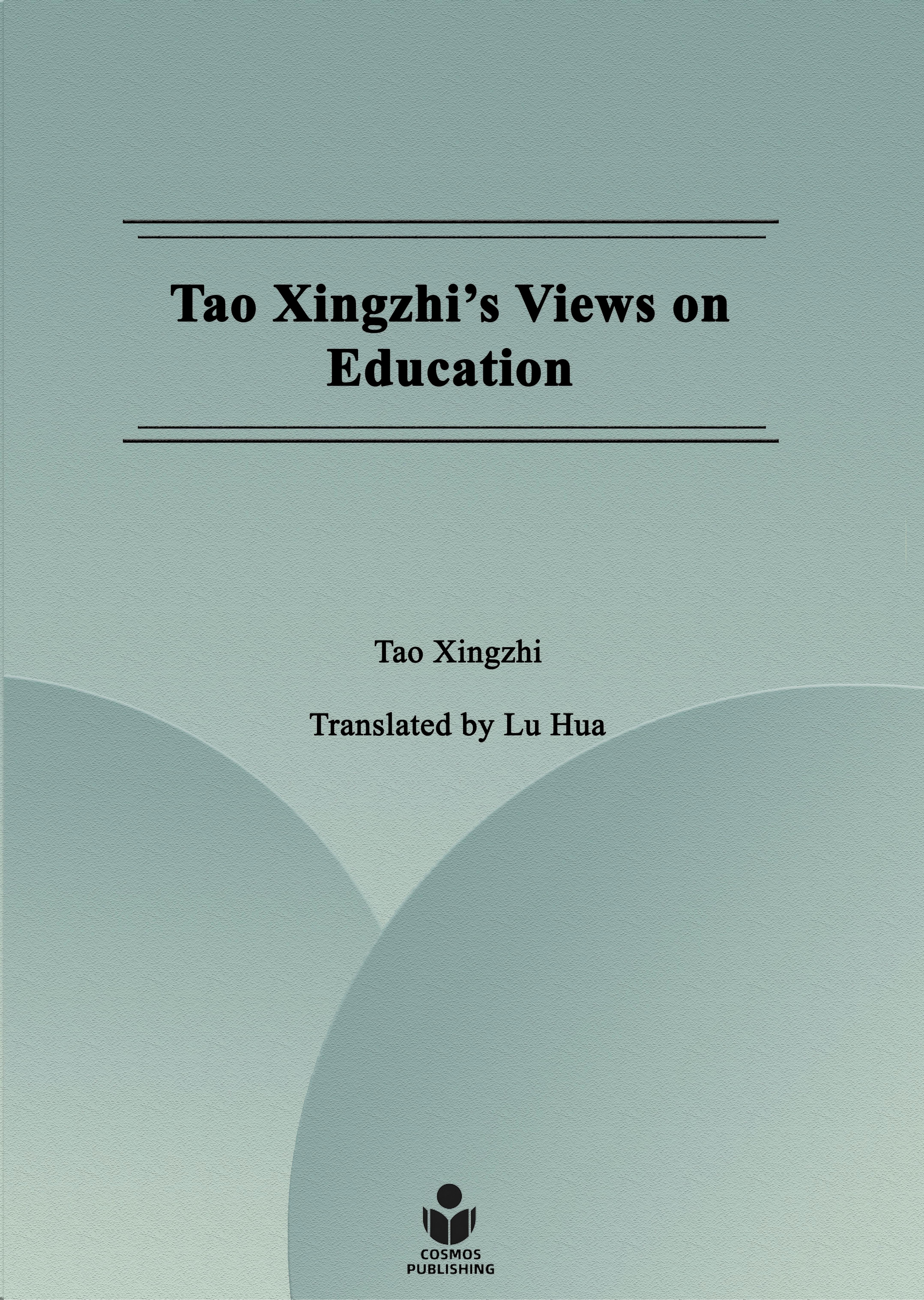
Tao Xingzhi's Views on Education
This book is a comprehensive collection of Tao Xingzhi's reflections, speeches, and essays on the philosophy and practice of education in modern China. Tao Xingzhi (1891–1946) was a pioneering educator and reformer in China. This book presents his lifelong dedication to reshaping education as a…
Book overview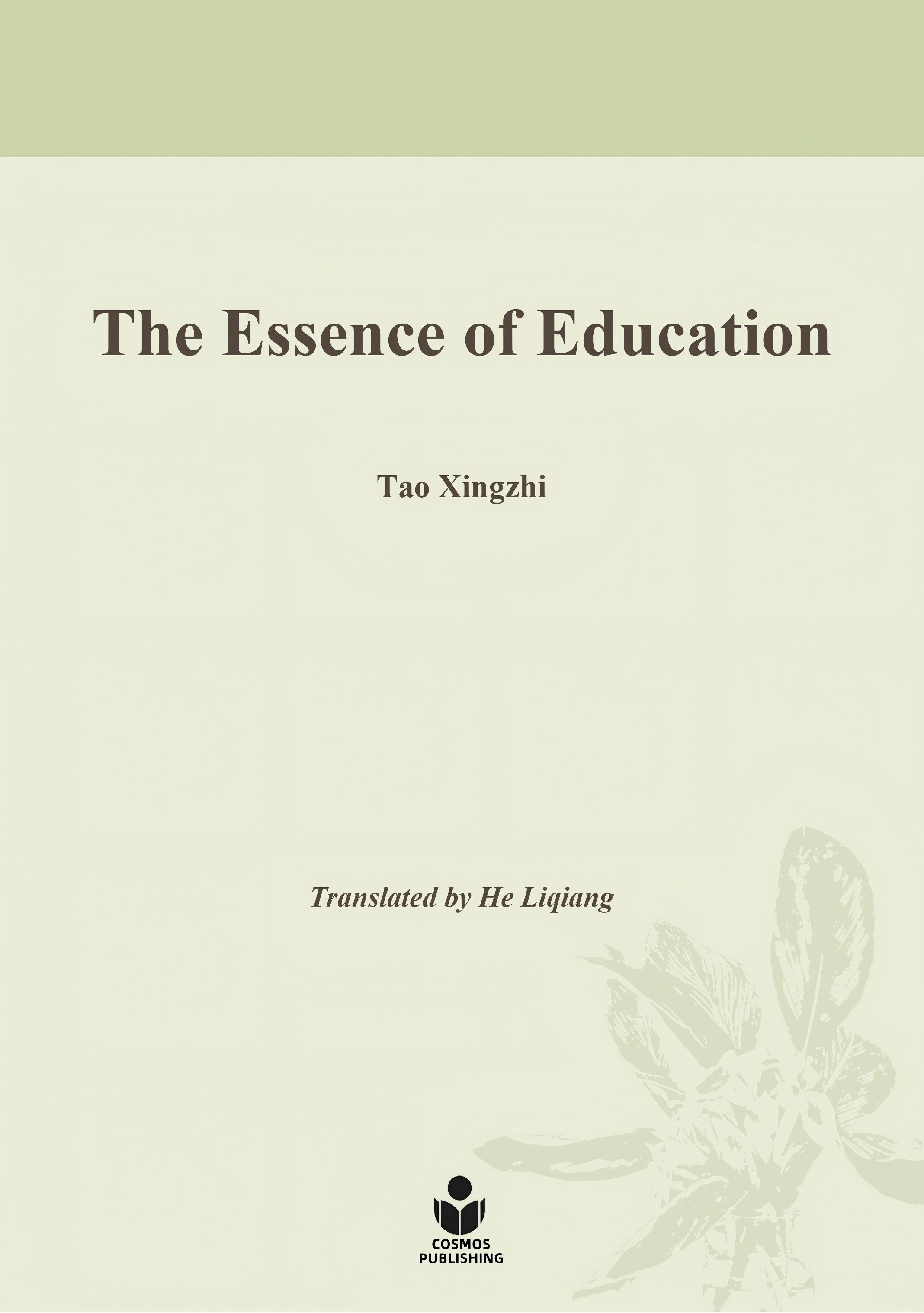
The Essence of Education
This book selects Tao Xingzhi's famous expositions on education, including the ideal of education, the construction of normal education, the reform of rural education, the art-friend system of normal education, life as education, society as school, teaching-learning-doing integration, democratic education, scientific education, creative education, children's…
Book overview