The History of Chinese Literature
About this book
Zheng Zhenduo’s the History of Chinese Literature, first published in 1932, stands as a groundbreaking work in the historiography of Chinese literature. Departing decisively from traditional narratives that privileged classical poetry and prose composed by the literati elite, Zheng systematically integrated “popular literature”—including fiction, drama, Buddhist Alternate prose (bianwen), Storytelling (tanci), and All keys and modes (zhugongdiao)—into the mainstream of literary history. He famously argued that popular literature, not canonical texts alone, constituted the true core of China’s literary tradition. Zheng identified two primary forces driving literary evolution: indigenous folk creativity and external cultural influences, particularly from Indian Buddhist literature. Spanning from ancient times to the late Qing Dynasty across 64 chapters, the book combines rigorous scholarship with vivid prose and is enriched by numerous illustrations of rare manuscripts, woodblock prints, and historical artifacts—pioneering the “illustrated history” format in Chinese literary studies. His insightful critiques, such as describing Xin Qiji’s lyrical style as “transforming strength into tenderness,” and his influential formulation of the “Four Great Ci Poets of the Late Song Dynasty” (Zhou Mi, Wang Yisun, Zhang Yan, and Jiang Jie), have left a lasting mark on scholarly discourse. While some interpretations reflect the intellectual constraints of his era—for instance, an occasional overemphasis on vernacular forms at the expense of classical traditions—Zheng’s inclusive vision, holistic methodology, and cross-genre perspective fundamentally reshaped how Chinese literary history is conceived and taught. By foregrounding the voices of ordinary people and recognizing literature as a dynamic, socially embedded practice, he catalyzed the modernization of literary historiography in 20th-century China. To this day, An Illustrated History of Chinese Literature remains an essential reference for students and scholars seeking a comprehensive, culturally nuanced understanding of China’s literary heritage.
More from our catalogue
All publications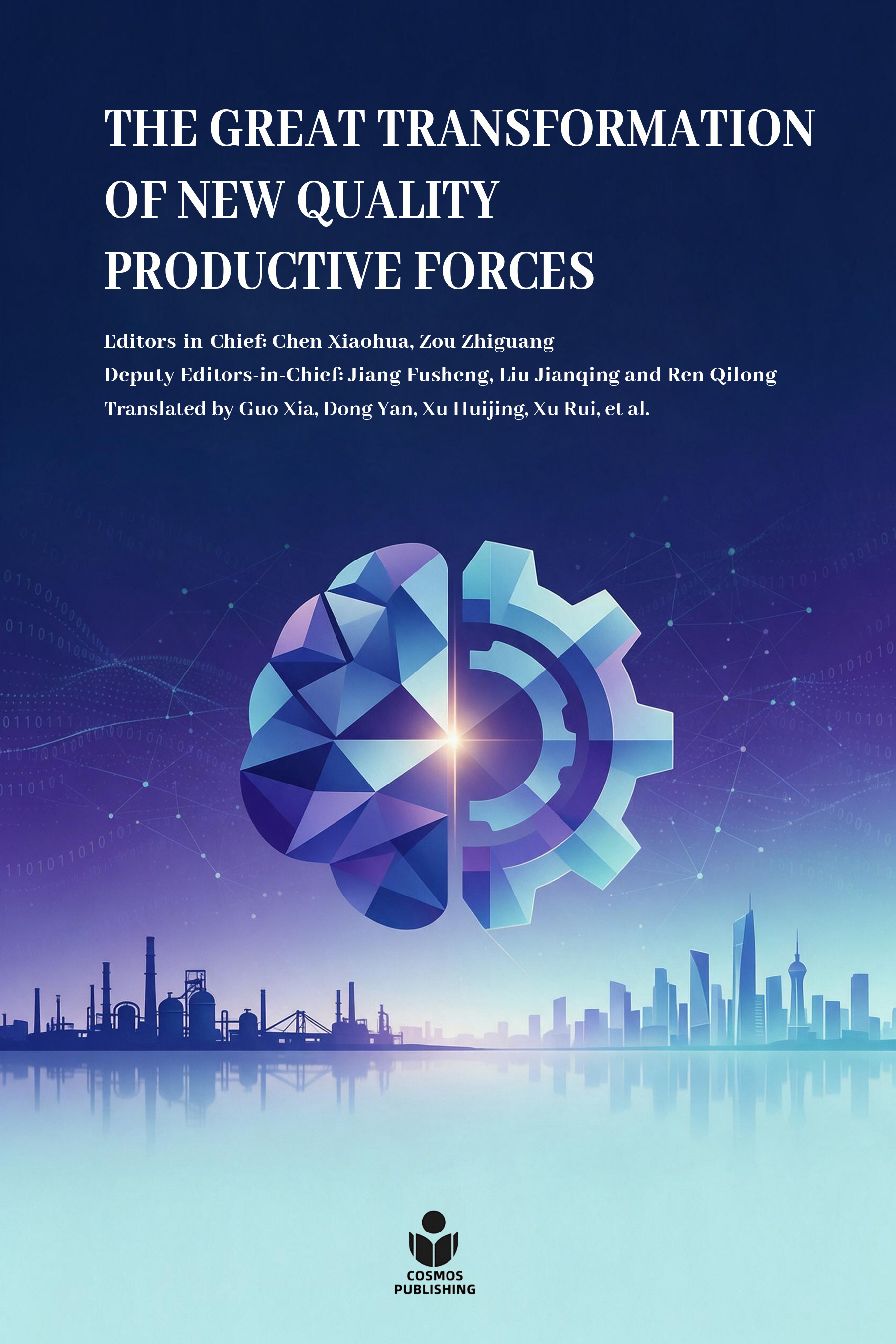
The Great Transformation of New Quality Productive Forces
The Great Transformation of New Quality Productive Forces is a professionally compiled work that systematically interprets the concept, theory and practice of new quality productive forces against the global technological revolution and China’s high-quality development backdrop. Originating from the strategic deployment put forward in 2023…
Book overview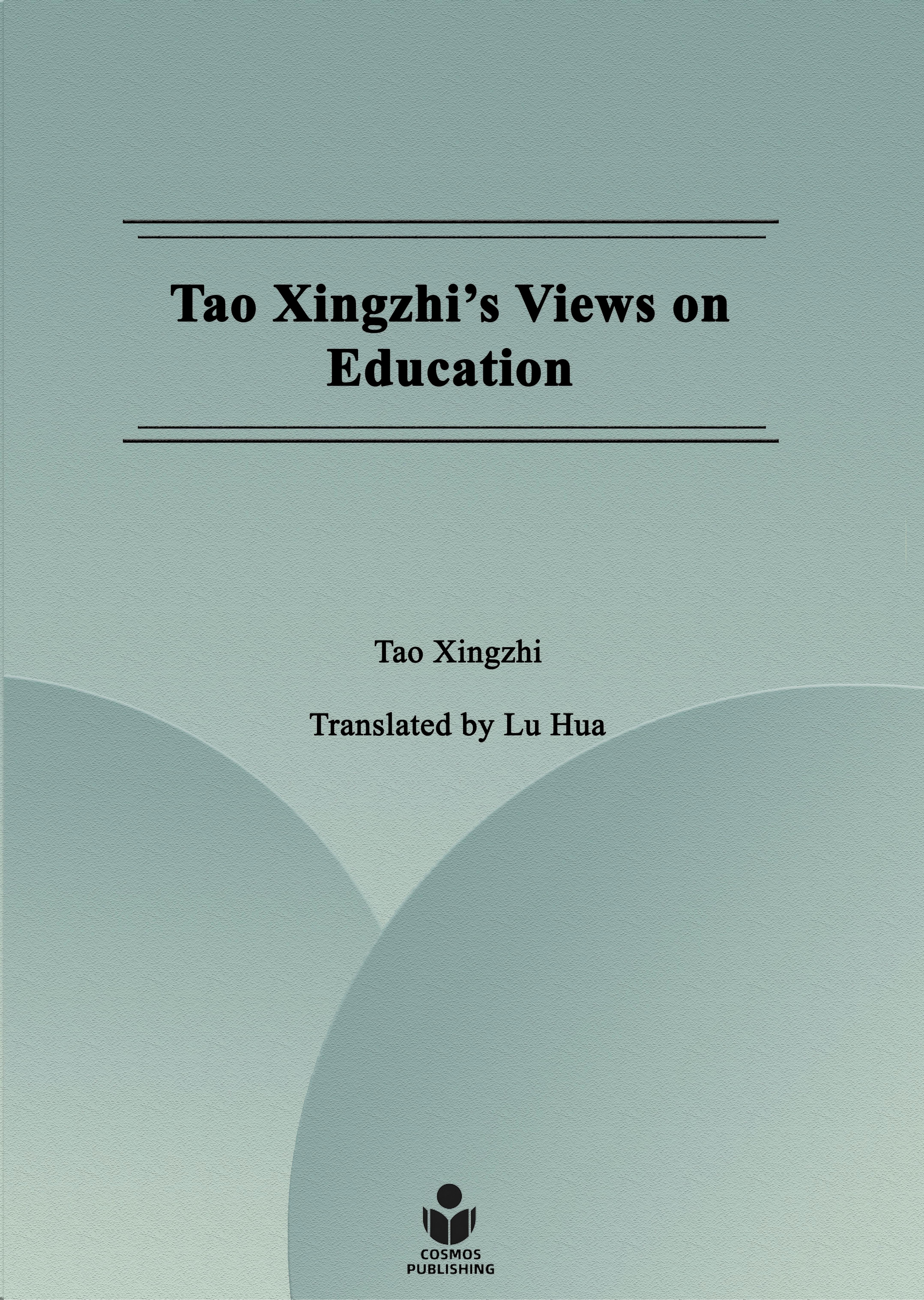
Tao Xingzhi's Views on Education
This book is a comprehensive collection of Tao Xingzhi's reflections, speeches, and essays on the philosophy and practice of education in modern China. Tao Xingzhi (1891–1946) was a pioneering educator and reformer in China. This book presents his lifelong dedication to reshaping education as a…
Book overview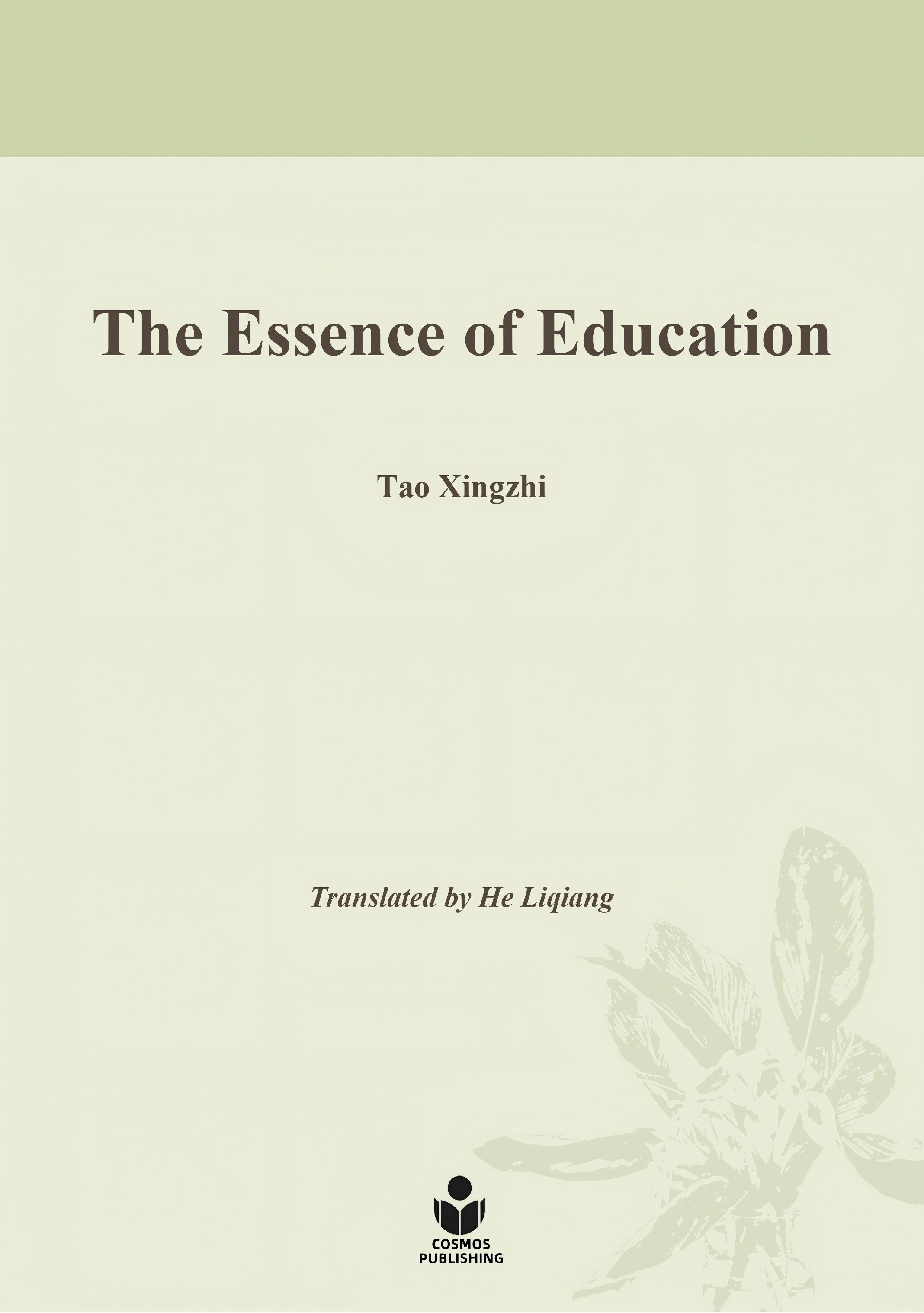
The Essence of Education
This book selects Tao Xingzhi's famous expositions on education, including the ideal of education, the construction of normal education, the reform of rural education, the art-friend system of normal education, life as education, society as school, teaching-learning-doing integration, democratic education, scientific education, creative education, children's…
Book overview