Ming and Qing Dynasties:Socio-Economic Exchanges and Encounters in the Global Context
About this book
This book examines China's dynamic role in the emerging early modern world (1368-1911). Moving beyond narratives of isolation, it places Ming and Qing China firmly within the burgeoning global networks forged by trade, silver flows, and cultural exchange. The book highlights China as a pivotal economic hub. Its massive demand for silver (primarily from the Americas and Japan) and its export of coveted goods like silk, porcelain, and tea fundamentally shaped global trade patterns. It analyzes both the official tribute system and vibrant private maritime trade, centered on ports like Guangzhou, Macao, and Nagasaki. Crucially, the work explores the profound socioeconomic transformations within China driven by global integration: commercialization, specialization in handicrafts, urban growth, and the rising influence of merchants. Simultaneously, it delves into the "encounters" – the complex interactions and tensions arising from differing economic models, political systems, and cultural values between China and expanding European powers. These encounters, including intellectual exchanges and trade conflicts culminating in the 19th-century crises, reshaped China's trajectory and the global order. This book challenges notions of Chinese stagnation, demonstrating its active participation and significant influence in the early global economy while critically assessing the transformative impacts and inherent conflicts of this interconnected era.
More from our catalogue
All publications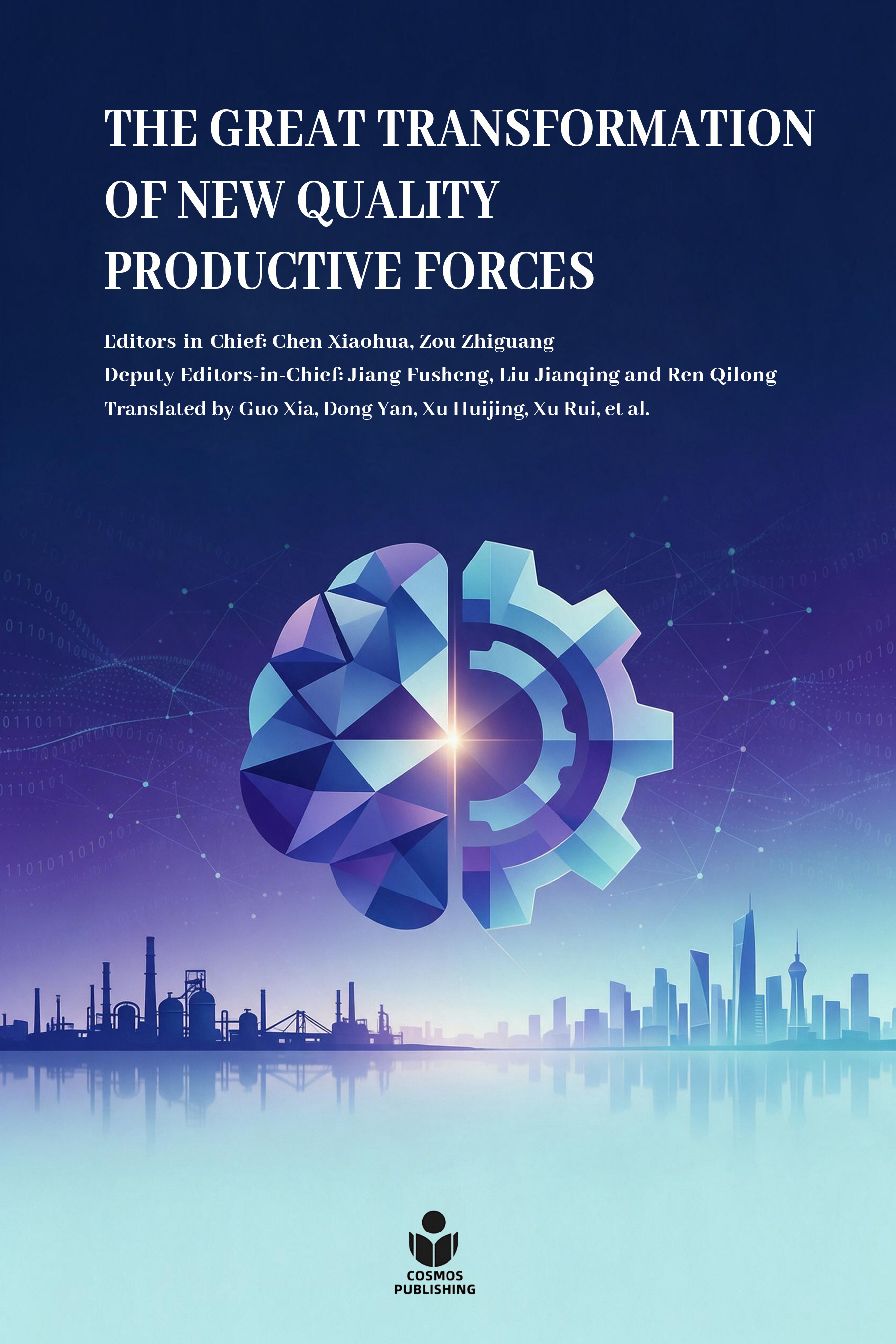
The Great Transformation of New Quality Productive Forces
The Great Transformation of New Quality Productive Forces is a professionally compiled work that systematically interprets the concept, theory and practice of new quality productive forces against the global technological revolution and China’s high-quality development backdrop. Originating from the strategic deployment put forward in 2023…
Book overview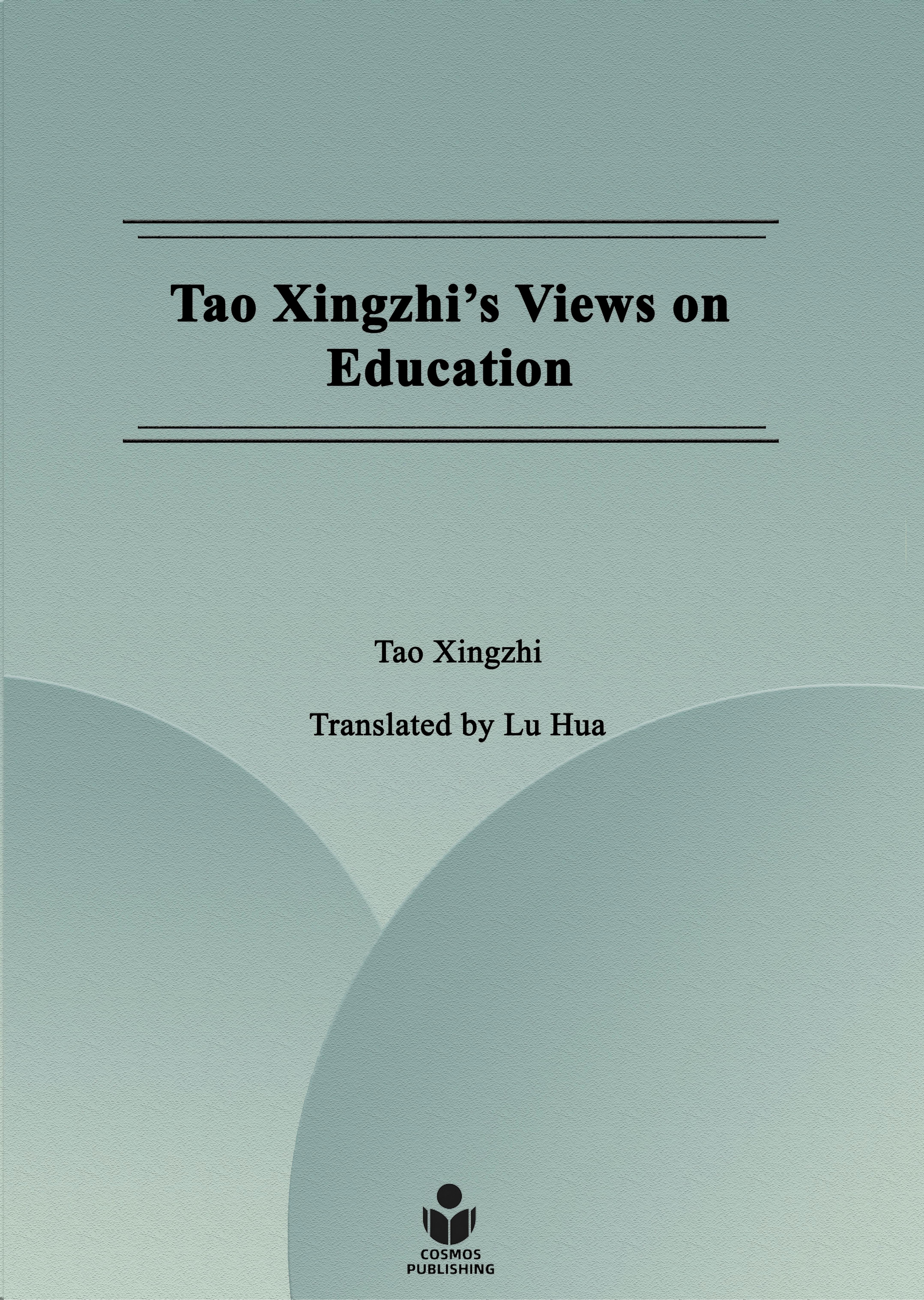
Tao Xingzhi's Views on Education
This book is a comprehensive collection of Tao Xingzhi's reflections, speeches, and essays on the philosophy and practice of education in modern China. Tao Xingzhi (1891–1946) was a pioneering educator and reformer in China. This book presents his lifelong dedication to reshaping education as a…
Book overview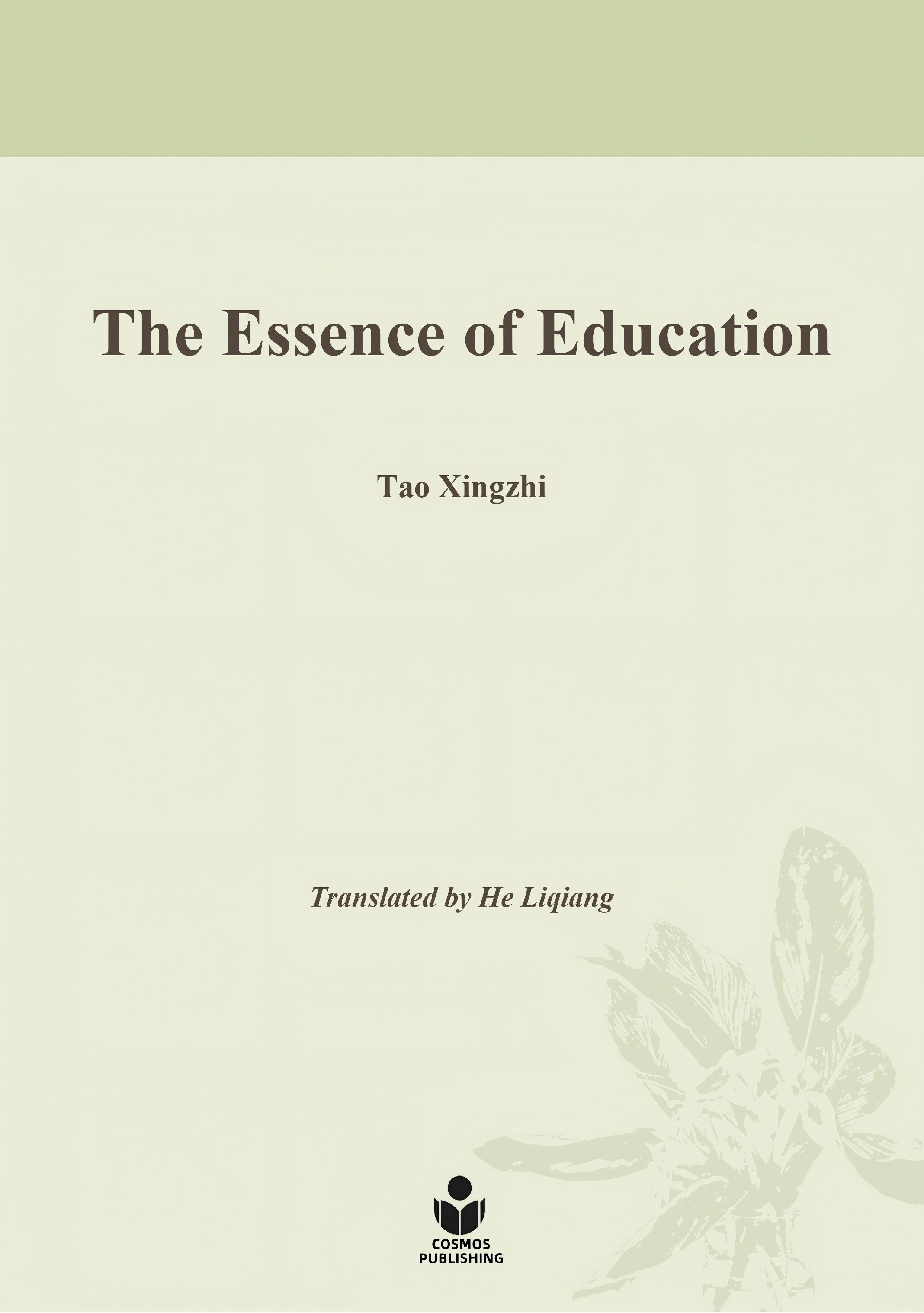
The Essence of Education
This book selects Tao Xingzhi's famous expositions on education, including the ideal of education, the construction of normal education, the reform of rural education, the art-friend system of normal education, life as education, society as school, teaching-learning-doing integration, democratic education, scientific education, creative education, children's…
Book overview