Investigation Report on Ancient Chinese Architecture (Volume Ⅰ)
About this book
Investigation Report on Ancient Chinese Architecture (Volume Ⅰ) is a foundational document compiled by pioneering scholars Liang Sicheng, Liu Dunzhen, and others from the Society for Research in Chinese Architecture during the 1930s. This work documents their systematic investigations of significant ancient structures in North China.
Focusing on the major Liao and Jin dynasty complexes at the Huayan Temple and Shanhua Temple in Datong, the report also encompasses iconic cases such as the Dule Temple in Ji County, the Guangji Temple in Baodi, and the Longxing Temple in Zhengding. Employing a scientific methodology that integrated modern architectural surveying with textual research, it systematically reveals the formal characteristics and technical achievements of official-style architecture in Northern China from the 10th to the 12th centuries through extensive measured drawings, photographs, and structural analysis.
By conducting in-depth research on the formal characteristics of elements such as dougong brackets, beam frames, and polychrome paintings, the report established a scientific system for dating ancient buildings and provided empirical evidence for the historical origins of the architectural treatise Yingzao Fashi. These records, born in the tumultuous war years, not only preserved the original appearance of numerous endangered heritage structures but also embodied the academic dedication of a generation of scholars committed to cultural preservation.
The rigorous scholarly attitude and comprehensive documentation system demonstrated in this report laid the groundwork for the study of Chinese architectural history. It remains an essential model for the investigation and research of historic architecture to this day, possessing enduring academic value and profound humanistic significance.
More from our catalogue
All publications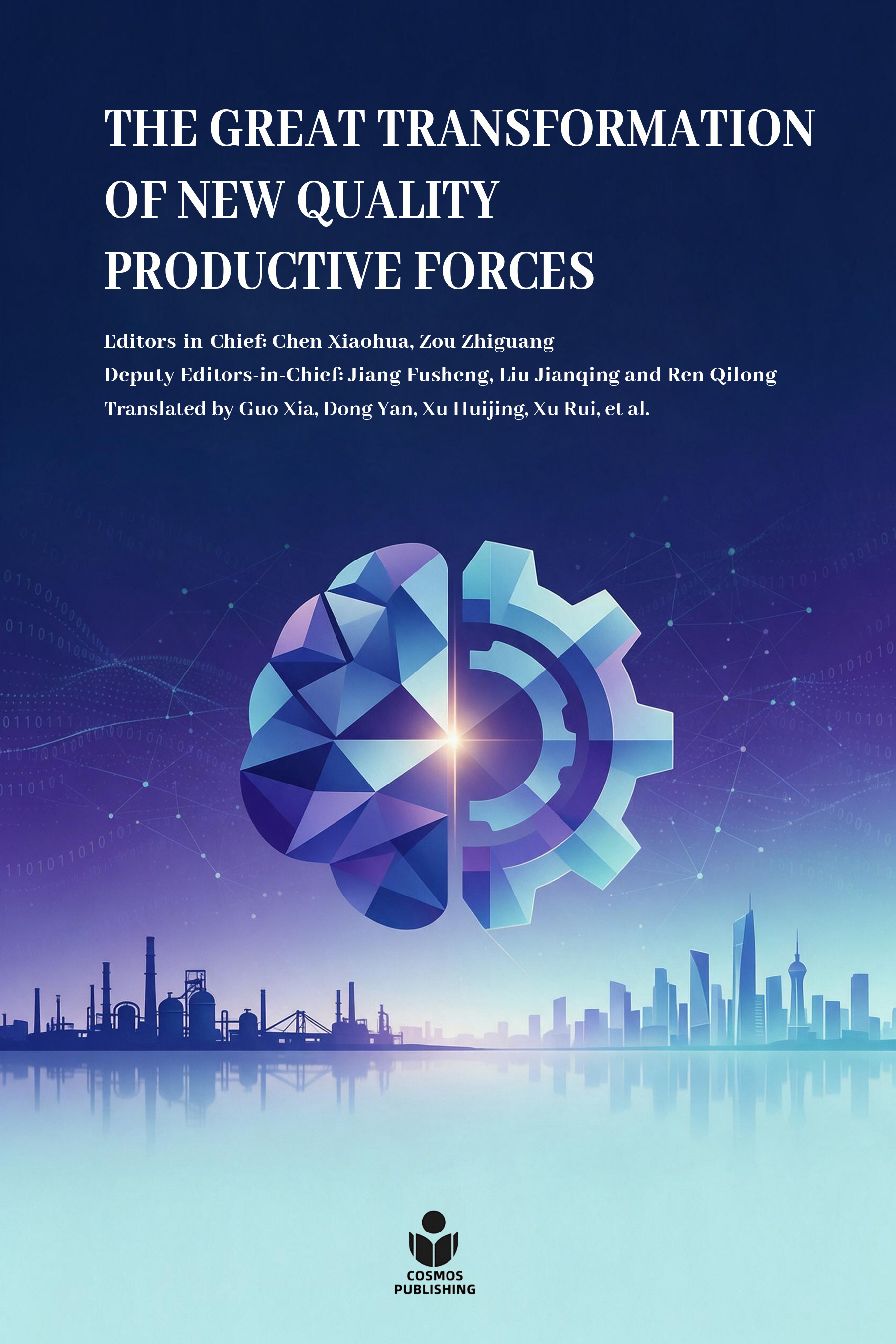
The Great Transformation of New Quality Productive Forces
The Great Transformation of New Quality Productive Forces is a professionally compiled work that systematically interprets the concept, theory and practice of new quality productive forces against the global technological revolution and China’s high-quality development backdrop. Originating from the strategic deployment put forward in 2023…
Book overview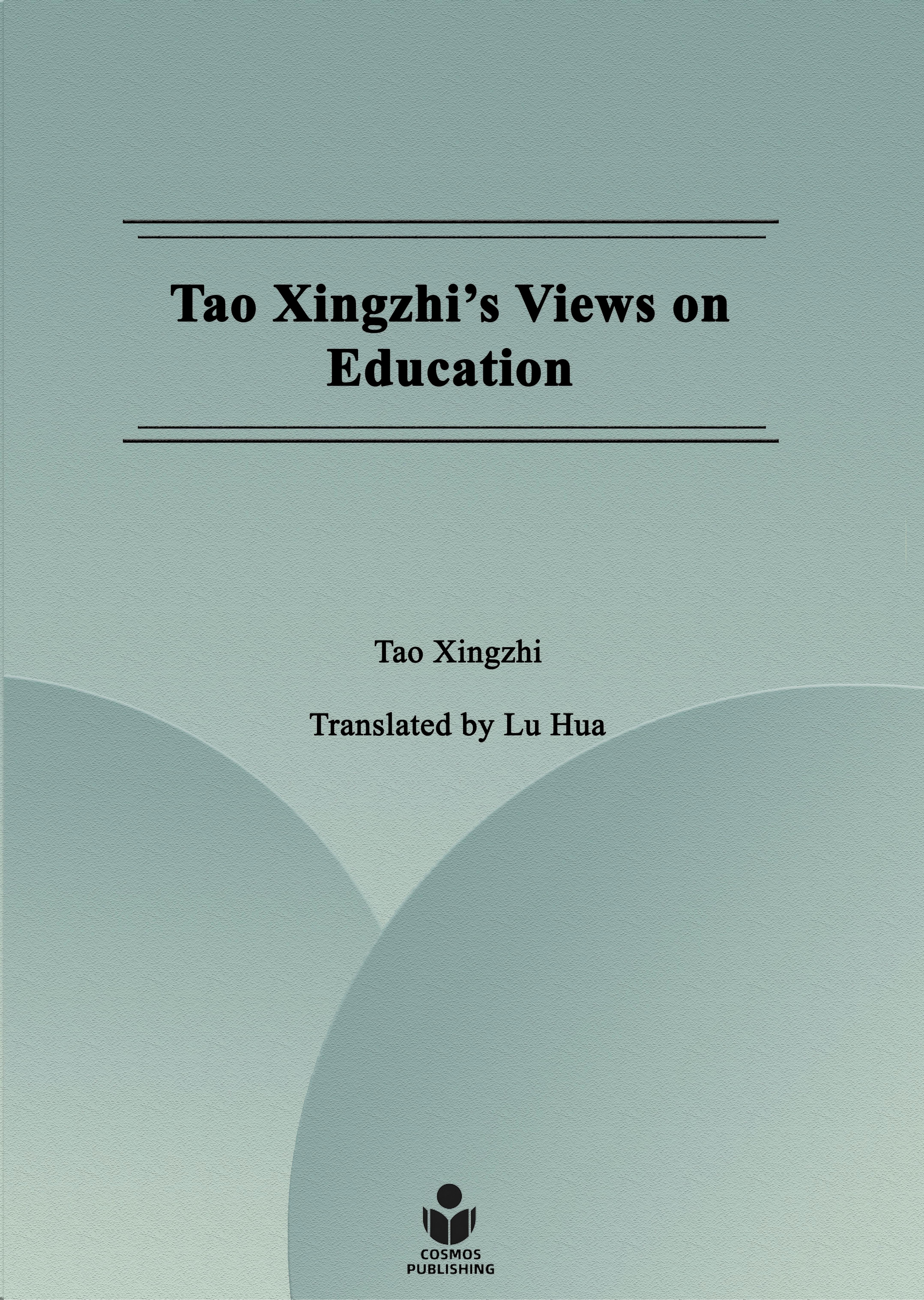
Tao Xingzhi's Views on Education
This book is a comprehensive collection of Tao Xingzhi's reflections, speeches, and essays on the philosophy and practice of education in modern China. Tao Xingzhi (1891–1946) was a pioneering educator and reformer in China. This book presents his lifelong dedication to reshaping education as a…
Book overview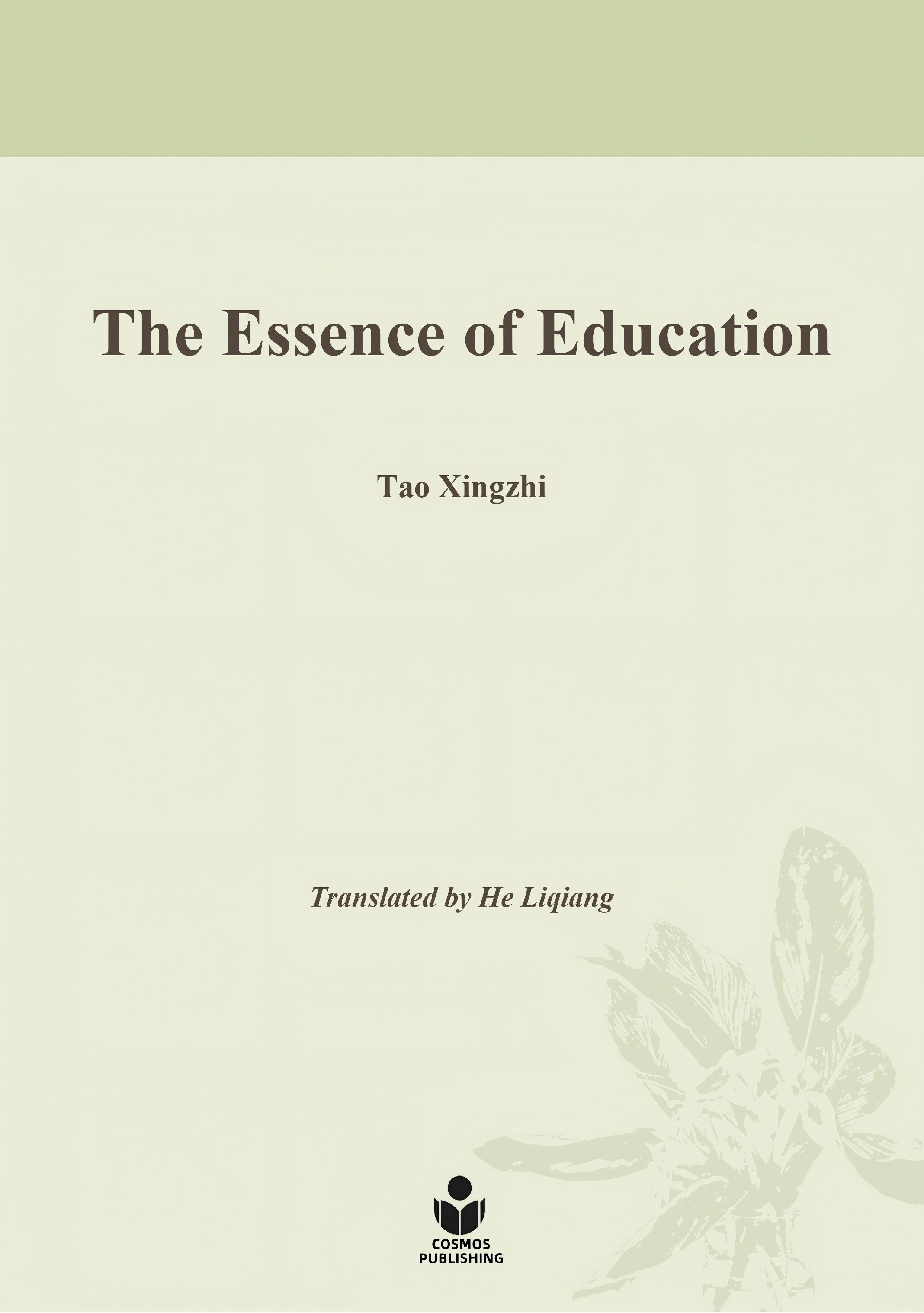
The Essence of Education
This book selects Tao Xingzhi's famous expositions on education, including the ideal of education, the construction of normal education, the reform of rural education, the art-friend system of normal education, life as education, society as school, teaching-learning-doing integration, democratic education, scientific education, creative education, children's…
Book overview