Knowledge and Culture
About this book
Knowledge and Culture is a foundational text in modern Chinese philosophy, representing a sophisticated attempt to synthesize Western philosophical frameworks with traditional Chinese intellectual sensibilities. Written in the 1940s, its core project is to construct a comprehensive epistemology that is profoundly relational, contextual, and culturally situated—moving beyond what the author viewed as the abstract individualism characteristic of many Western models.
The book’s central argument is that knowledge is not a mirror of an objective external reality, passively received by an isolated mind. Instead, Zhang posits that knowledge is actively constructed through the dynamic interaction between the knowing subject and the world. He introduces a pluralistic epistemology, suggesting that multiple legitimate ways of knowing exist—ranging from scientific and logical cognition to intuitive, moral, and aesthetic understanding. Each of these “types of knowledge” operates according to its own internal logic and serves distinct human needs.
A pivotal concept in the work is the role of culture as the indispensable medium and framework for all knowledge. Zhang argues that our cognitive structures, categories, and even our perception of truth are shaped by the cultural “format” or “schema” we inhabit. A culture’s language, social norms, historical traditions, and value systems provide the very preconditions for thought. Consequently, there is no neutral, transcendent “view from nowhere”; all knowledge is culturally conditioned.
From this premise, Zhang develops a philosophy of cultural pluralism. Different civilizations, through their unique historical experiences, have developed distinct epistemological orientations. He often contrasts the Western tradition’s focus on analytical reason and objectification with the Chinese tradition’s emphasis on intuitive wisdom, moral cultivation, and relational harmony. For Zhang, these are not rival claims to a single truth, but complementary expressions of the human spirit.
More from our catalogue
All publications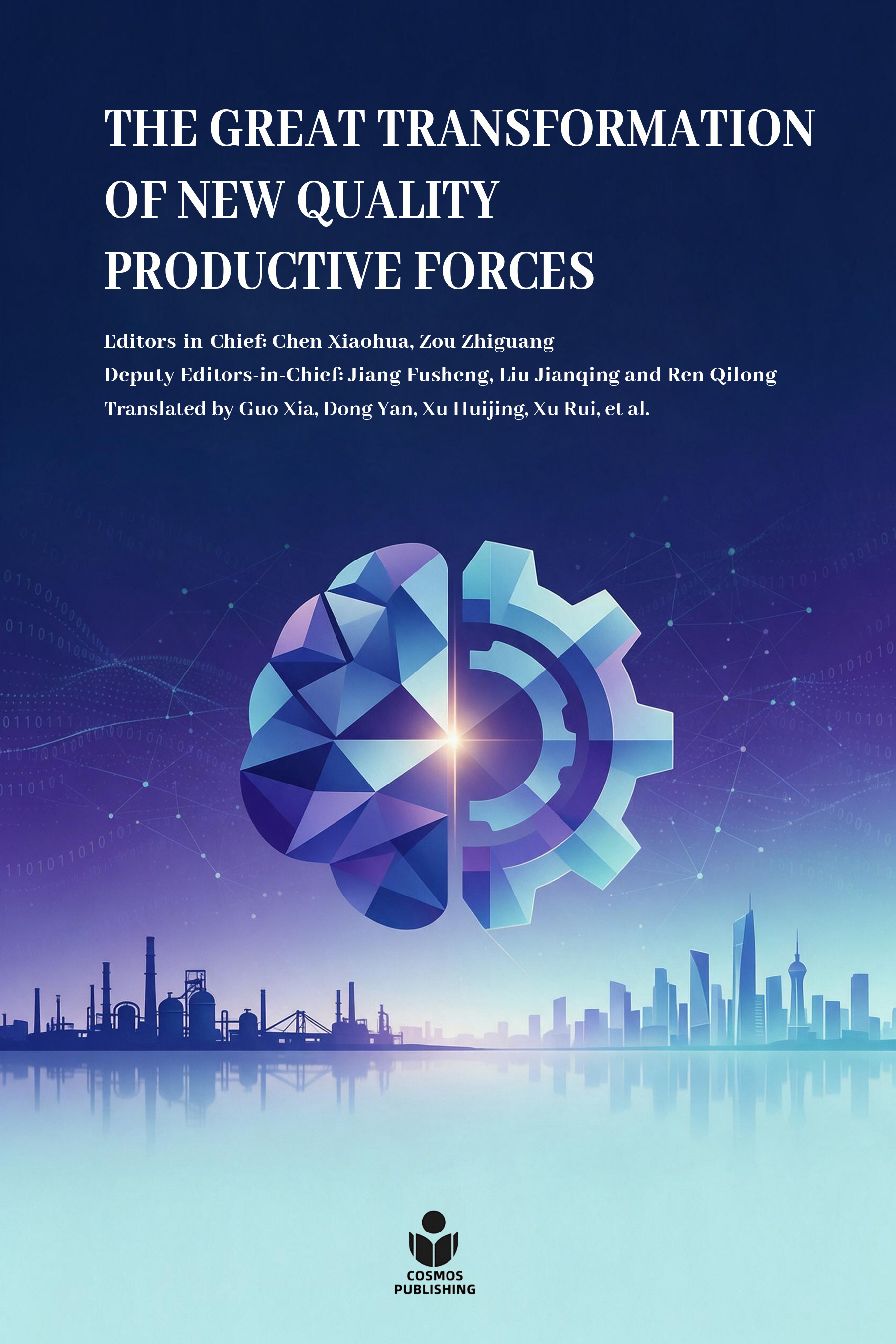
The Great Transformation of New Quality Productive Forces
The Great Transformation of New Quality Productive Forces is a professionally compiled work that systematically interprets the concept, theory and practice of new quality productive forces against the global technological revolution and China’s high-quality development backdrop. Originating from the strategic deployment put forward in 2023…
Book overview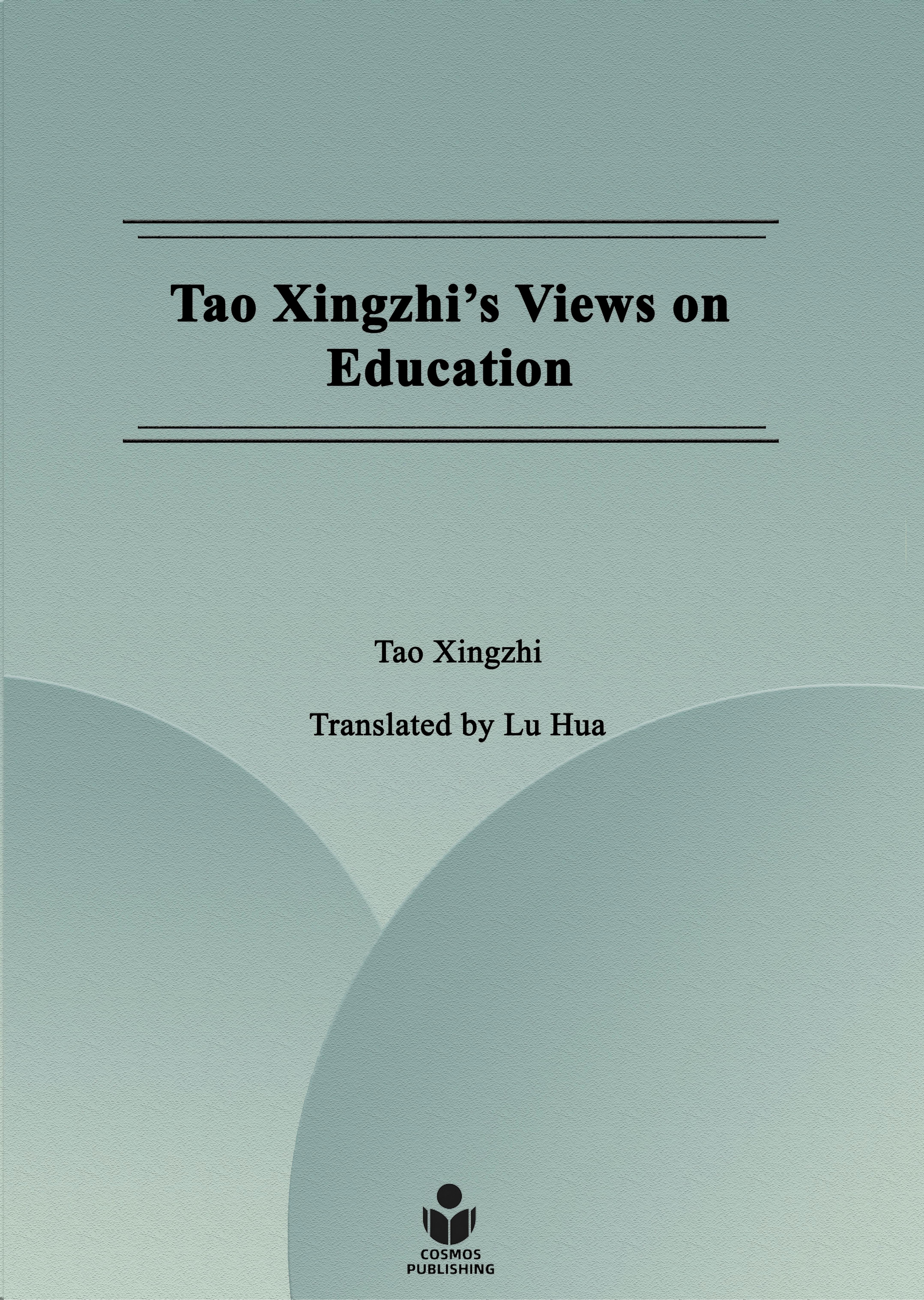
Tao Xingzhi's Views on Education
This book is a comprehensive collection of Tao Xingzhi's reflections, speeches, and essays on the philosophy and practice of education in modern China. Tao Xingzhi (1891–1946) was a pioneering educator and reformer in China. This book presents his lifelong dedication to reshaping education as a…
Book overview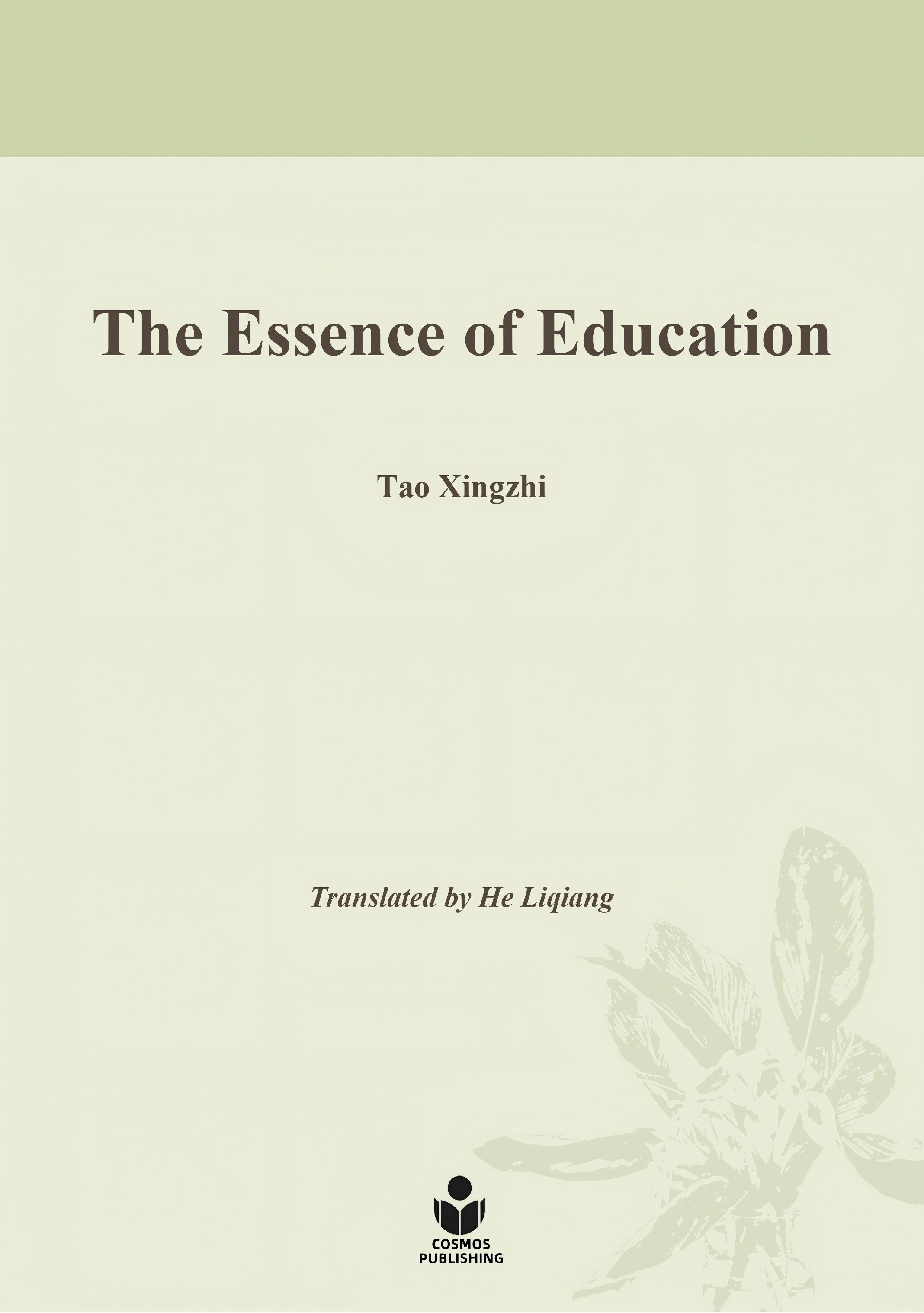
The Essence of Education
This book selects Tao Xingzhi's famous expositions on education, including the ideal of education, the construction of normal education, the reform of rural education, the art-friend system of normal education, life as education, society as school, teaching-learning-doing integration, democratic education, scientific education, creative education, children's…
Book overview