Liang Sicheng and Lin Huiyin on Chinese Architecture
About this book
Offering the definitive gateway into China's architectural traditions, this book is equally a cornerstone work for expert scholars. As an essential guide to Chinese architecture, it presents a seminal collection of works by Liang Sicheng and Lin Huiyin, the pioneering couple who laid the foundation for the modern study of Chinese architectural history. Compiled from their extensive field surveys and research from the 1930s to 1950s, it offers a comprehensive and passionate exploration of China's built heritage, primarily from the Song, Liao, Jin, and Yuan dynasties.
The book is not a single narrative but a rich tapestry of genres. It includes rigorous academic papers and investigative reports that detail the precise measurements and structural analysis of ancient pagodas, temples, and palaces, such as the Foguang Temple and the Dule Temple. Alongside these are more accessible popular science articles and informal essays, where the authors, particularly Lin Huiyin, eloquently describe the artistic spirit and "architectural mood" of structures, from imperial complexes like the Forbidden City to humble bridges like the Zhaozhou Bridge.
A central theme is the revelation of a unique, indigenous Chinese architectural system based on a timber-frame structure with Dougong (bracket sets), which allowed for both flexibility and monumental beauty. The authors argue that this system evolved organically over millennia, absorbing outside influences while maintaining its distinct character. They also express an urgent mission: to document and preserve this vanishing heritage against the tides of war, neglect, and modernization.
Ultimately, this book is more than a history; it is an invitation to appreciate Chinese architecture as a living art form. It combines scientific rigor with poetic insight, serving as an essential introduction for anyone seeking to understand the soul of China's architectural landscape through the eyes of its most devoted scholars.
More from our catalogue
All publications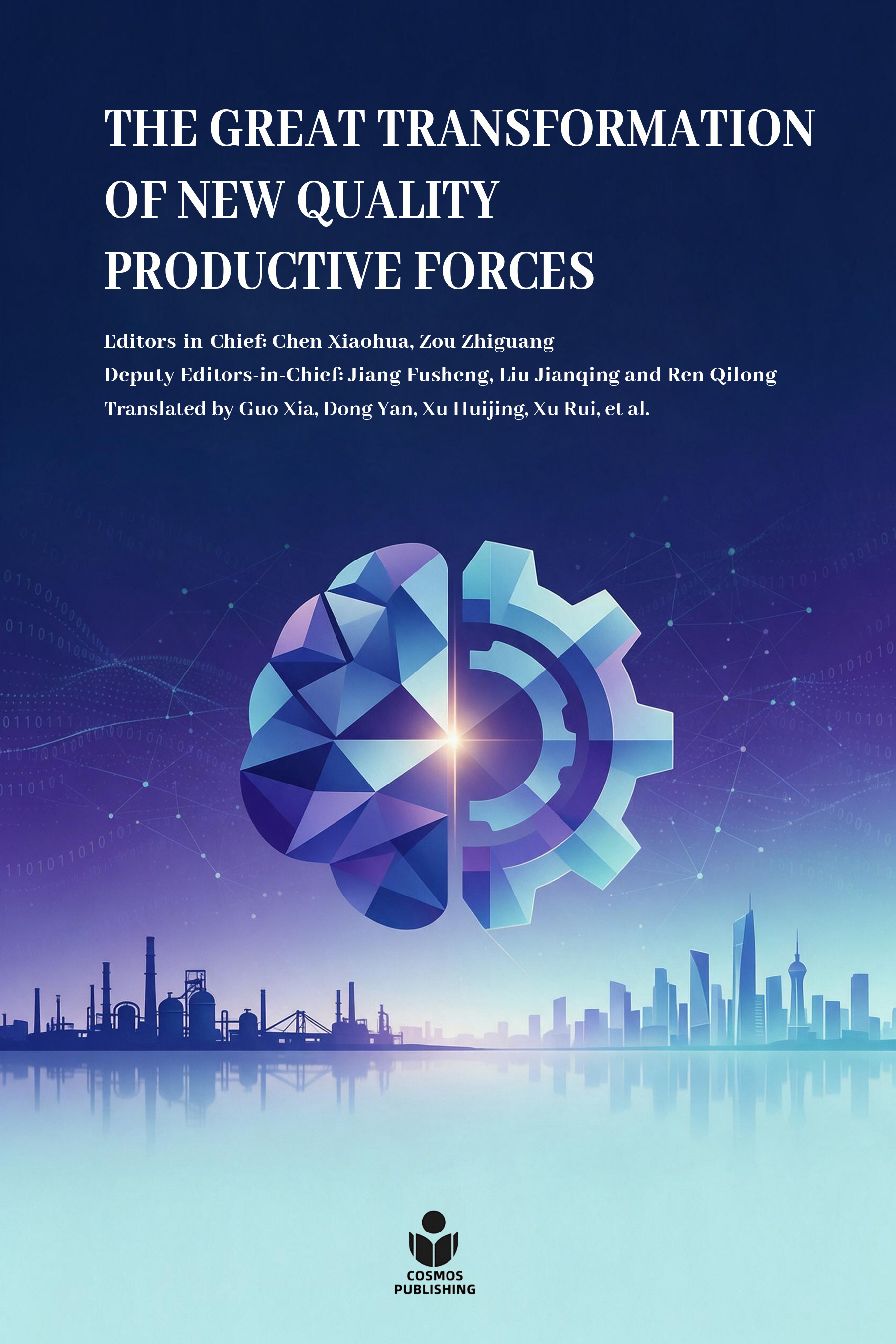
The Great Transformation of New Quality Productive Forces
The Great Transformation of New Quality Productive Forces is a professionally compiled work that systematically interprets the concept, theory and practice of new quality productive forces against the global technological revolution and China’s high-quality development backdrop. Originating from the strategic deployment put forward in 2023…
Book overview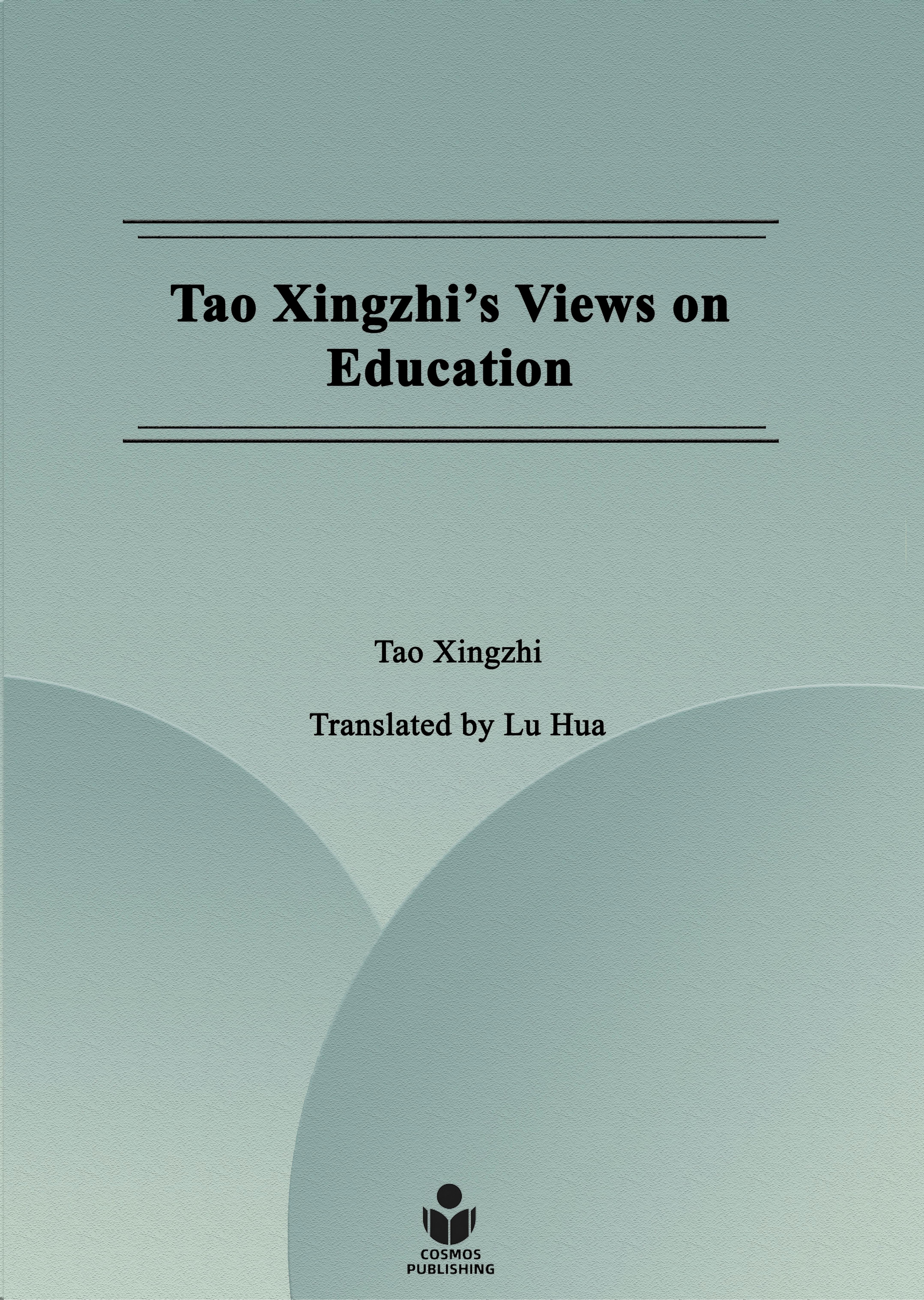
Tao Xingzhi's Views on Education
This book is a comprehensive collection of Tao Xingzhi's reflections, speeches, and essays on the philosophy and practice of education in modern China. Tao Xingzhi (1891–1946) was a pioneering educator and reformer in China. This book presents his lifelong dedication to reshaping education as a…
Book overview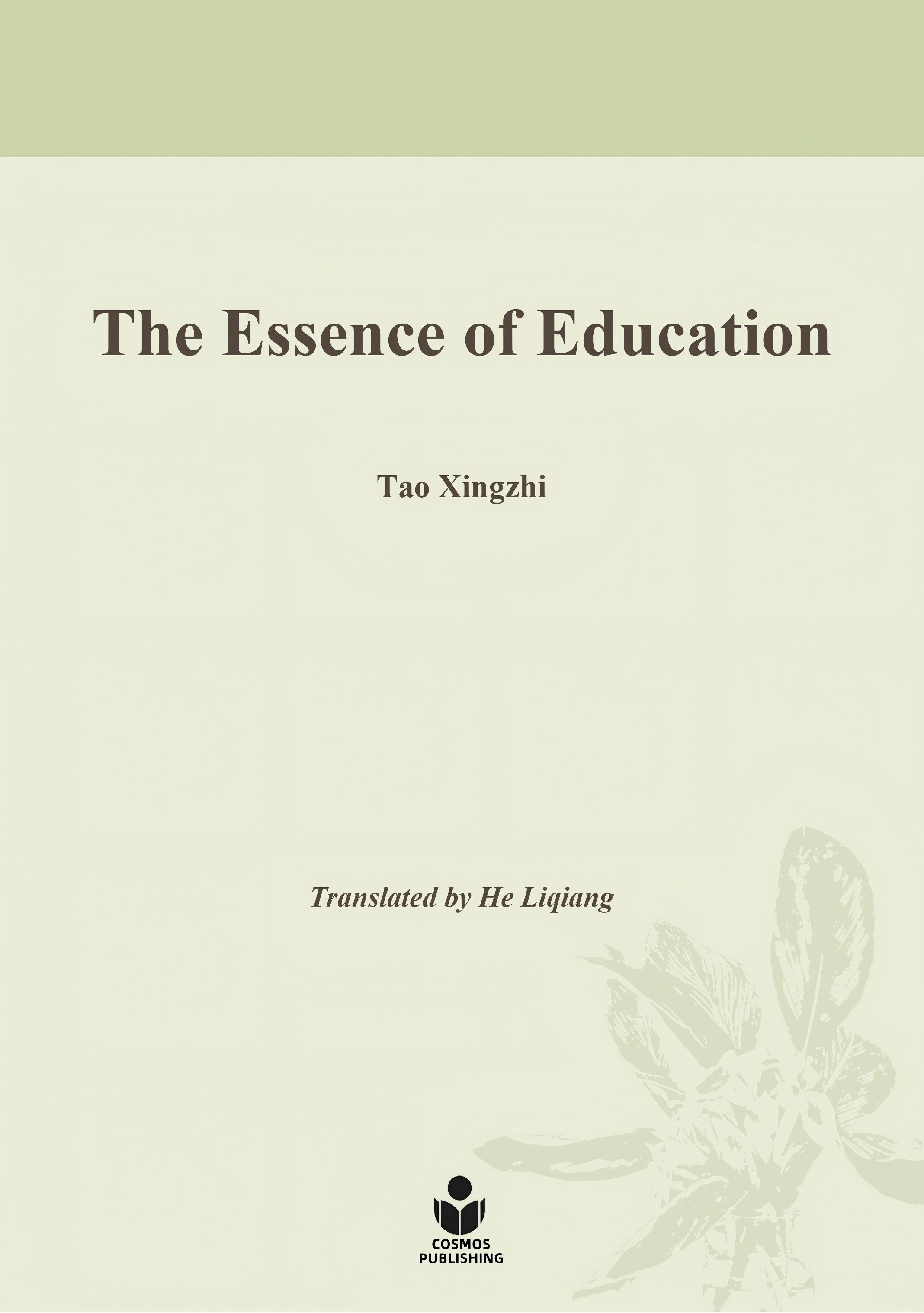
The Essence of Education
This book selects Tao Xingzhi's famous expositions on education, including the ideal of education, the construction of normal education, the reform of rural education, the art-friend system of normal education, life as education, society as school, teaching-learning-doing integration, democratic education, scientific education, creative education, children's…
Book overview